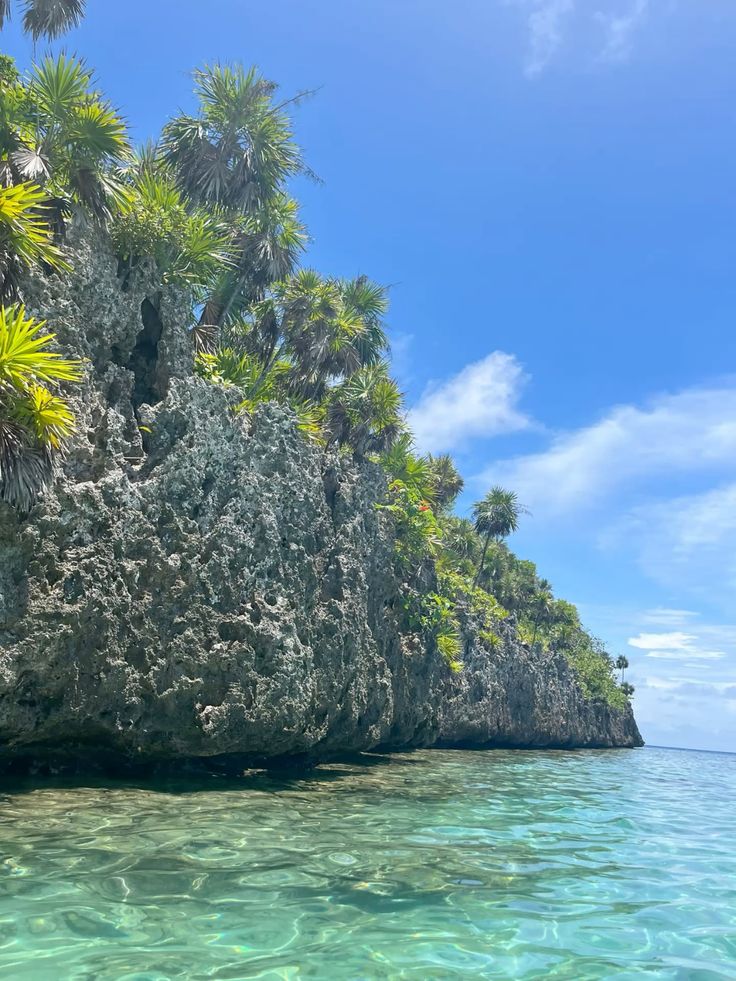



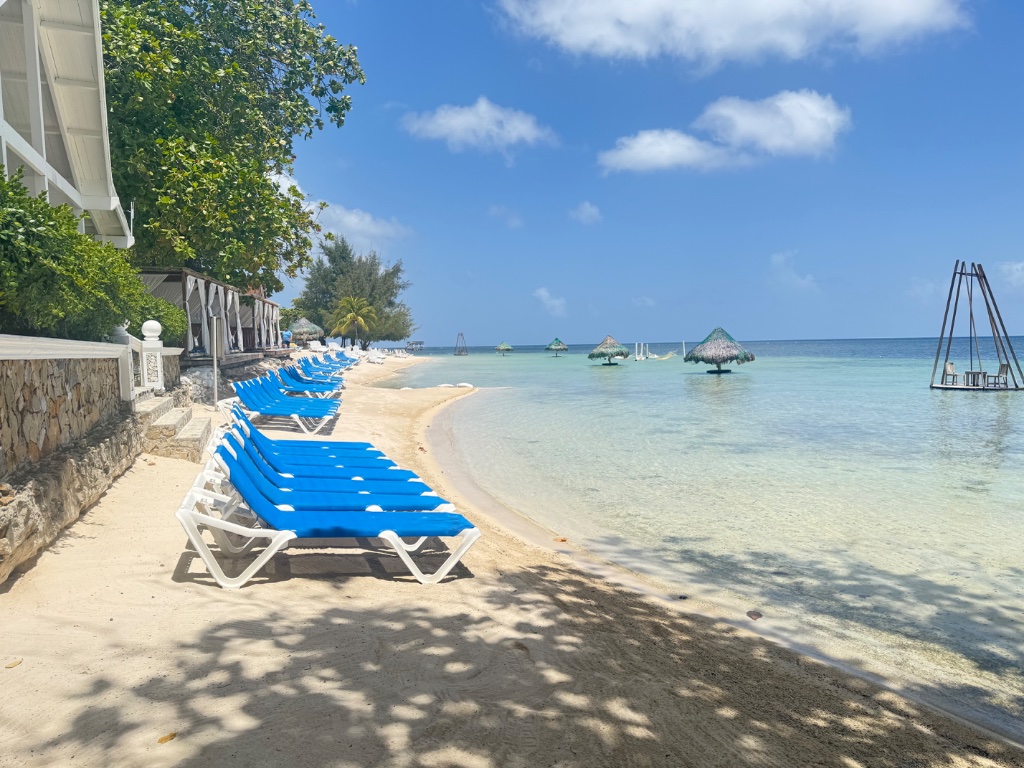
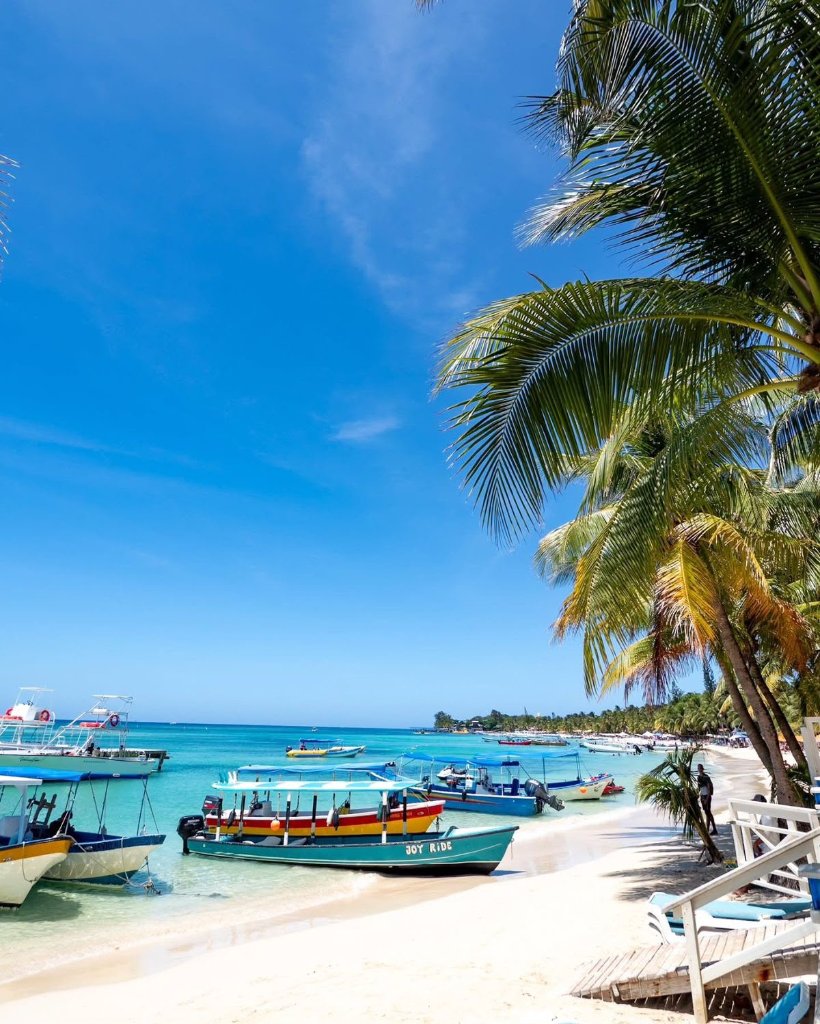
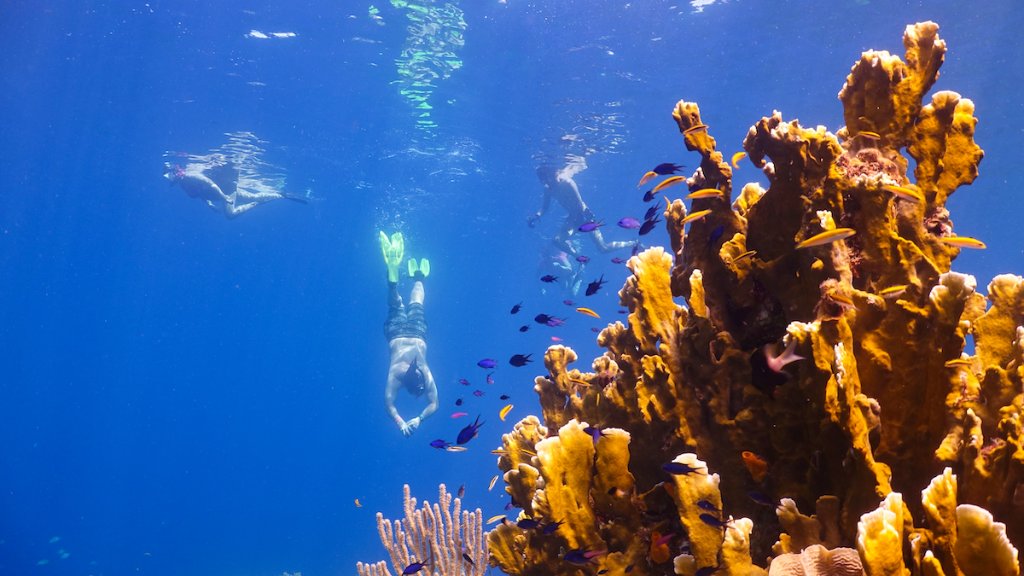

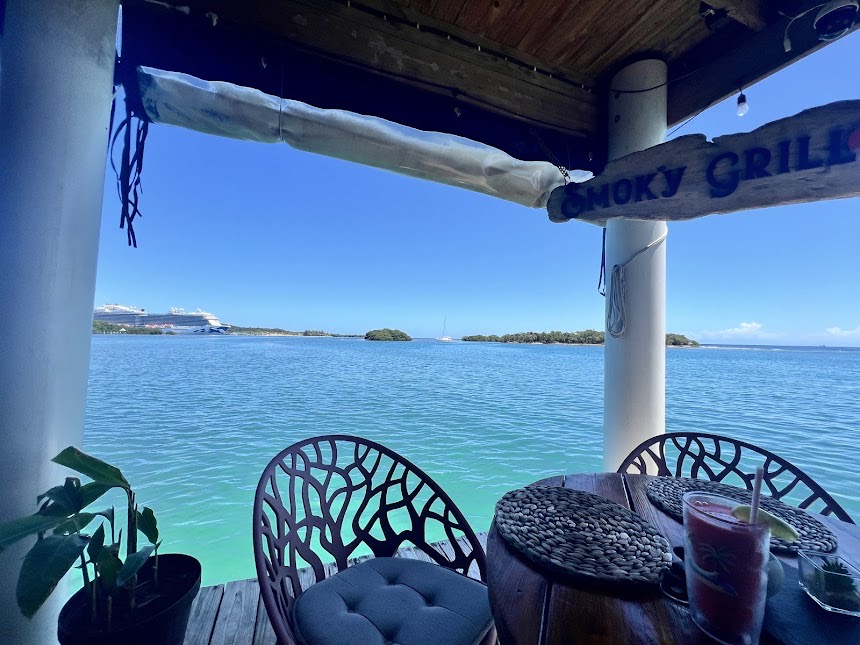
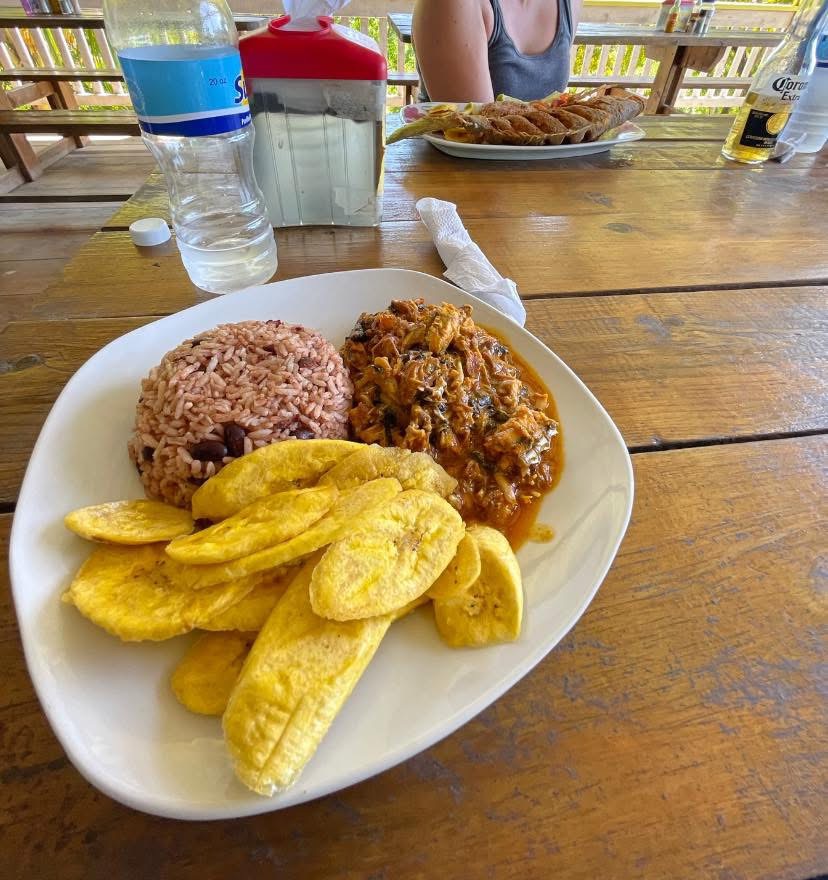
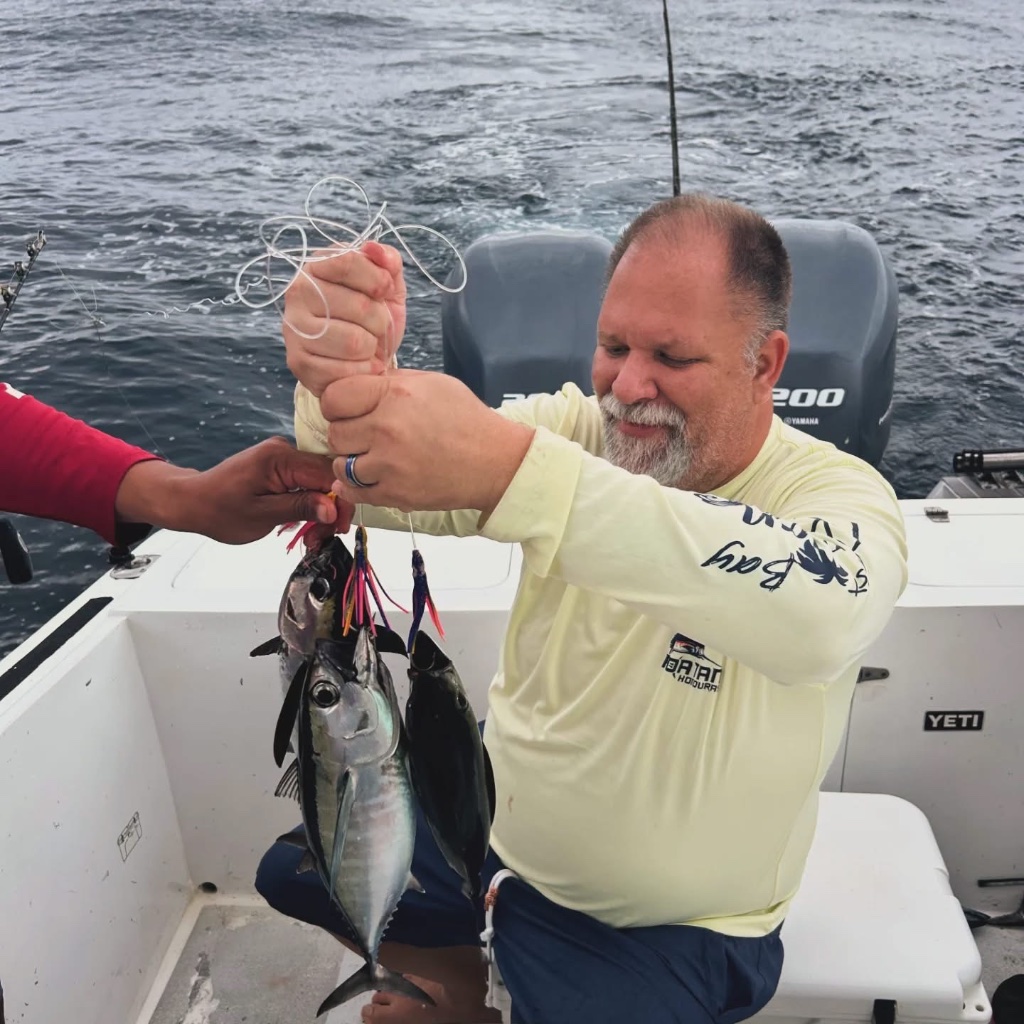
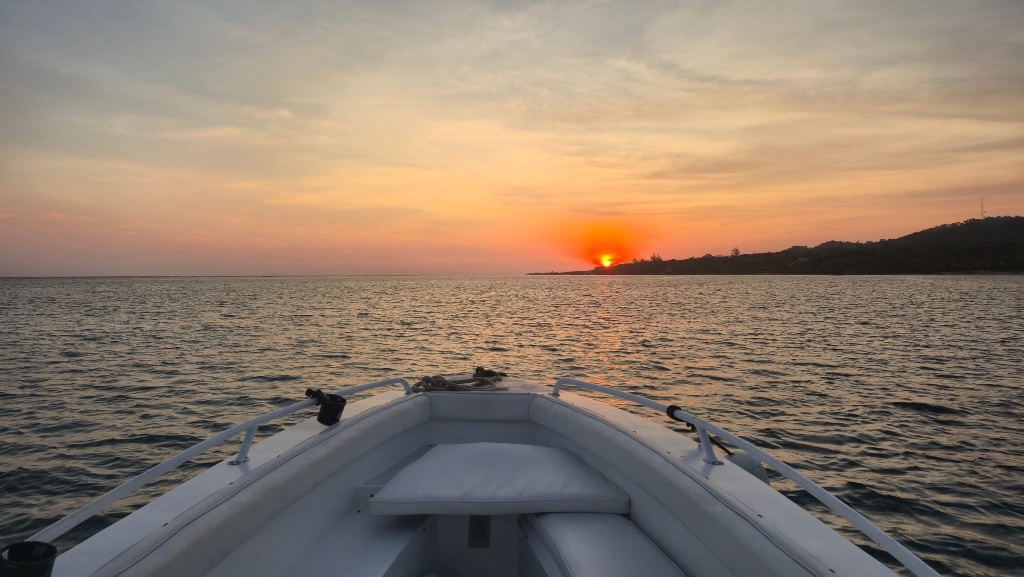

Roatan’s reef is not something you need to chase far offshore for hours. In many parts of the island, clear Caribbean water, coral gardens, and tropical fish are remarkably close to shore. Knowing how to visit Roatan reefs comes down to choosing the right experience for your time, comfort level, and sense of adventure - then showing up ready to respect the water.
Whether you have one cruise-port day, a full week on the island, or a family group with different confidence levels in the sea, a little planning turns a good snorkel into an unforgettable experience.
How to Visit Roatan Reefs Without Wasting Your Day
Start with one honest question: how much time do you actually have? Cruise guests should prioritize an excursion with clear meeting instructions, reliable return timing, and transportation that works with their ship schedule. A long, remote outing may sound incredible, but it is not worth spending the whole day watching the clock.
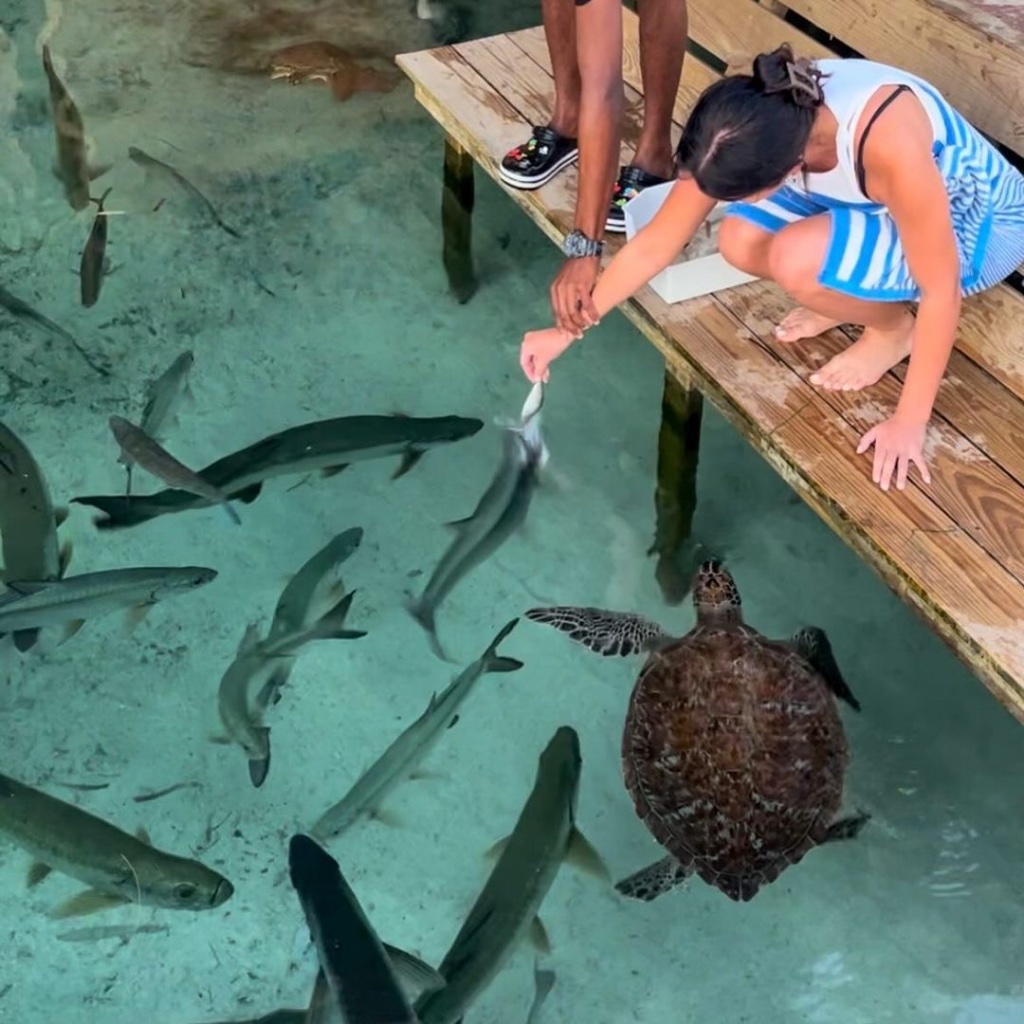
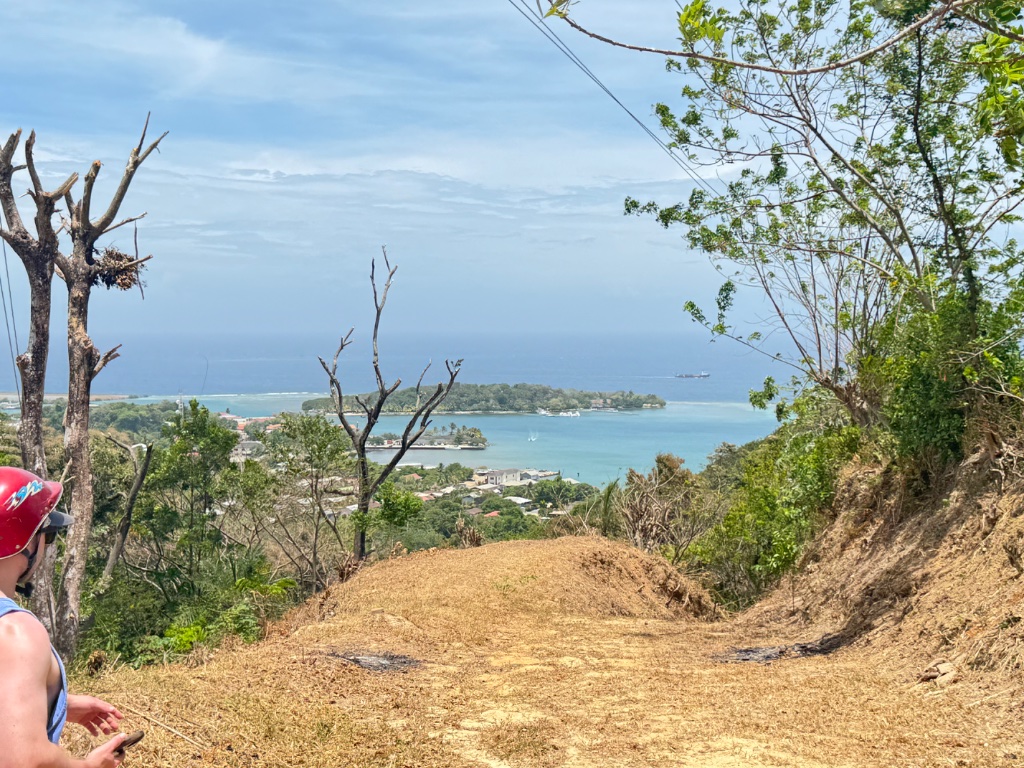
Vacationers staying on the island have more freedom. You can choose a relaxed shore snorkel in the morning, a boat trip to a farther reef in the afternoon, or pair your water time with a beach stop, wildlife visit, zipline, or island tour. Roatan rewards travelers who leave room for both a planned highlight and a little spontaneous beach time.
The sea conditions matter, too. Wind, waves, visibility, and recent weather can affect which side of the island is best on a given day. A great local operator will recommend the route that makes sense for current conditions rather than forcing every group toward the same reef. Flexibility is a smart traveler’s advantage here.
Choose Between Shore Snorkeling and a Boat Tour
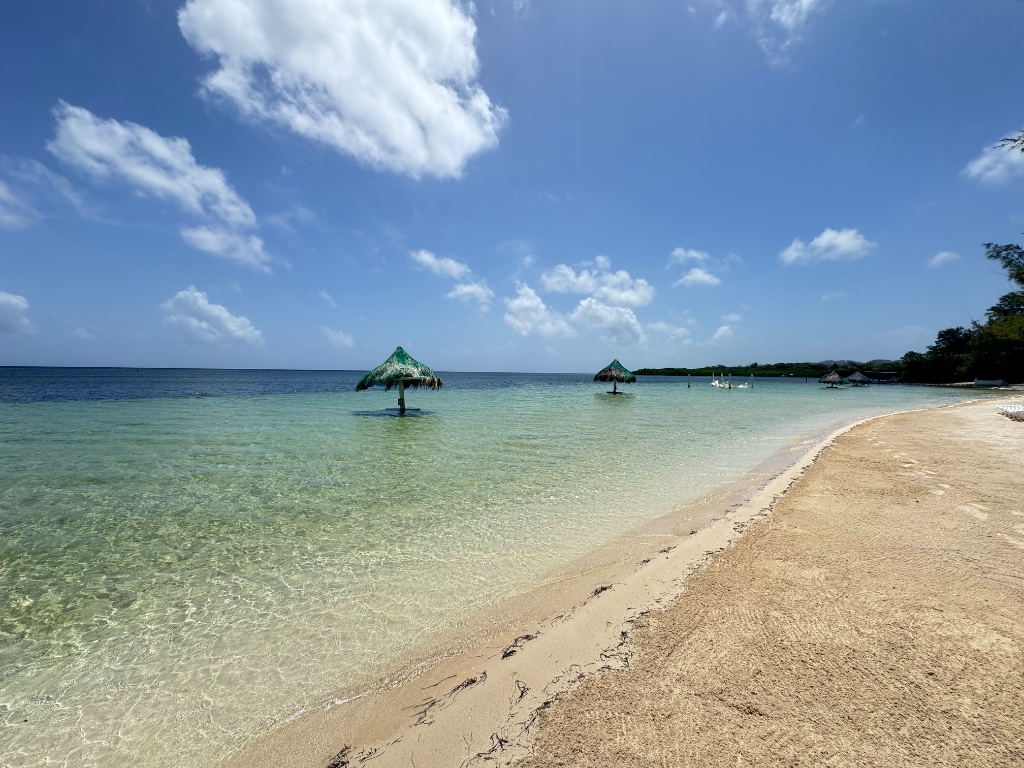
Shore snorkeling is the easy win when you want maximum water time with minimal logistics. Areas near West Bay and parts of West End are known for accessible reefs, and some beaches offer calm, clear conditions that suit first-timers. You can ease in gradually, practice with your mask, and return to shore whenever you want a break.
That convenience comes with trade-offs. Popular shore areas can feel busier, and the exact reef quality depends on where you enter, the weather, and how far you are comfortable swimming. Stronger swimmers may be happy exploring from the beach, while younger kids and nervous snorkelers usually get more out of a guided experience.
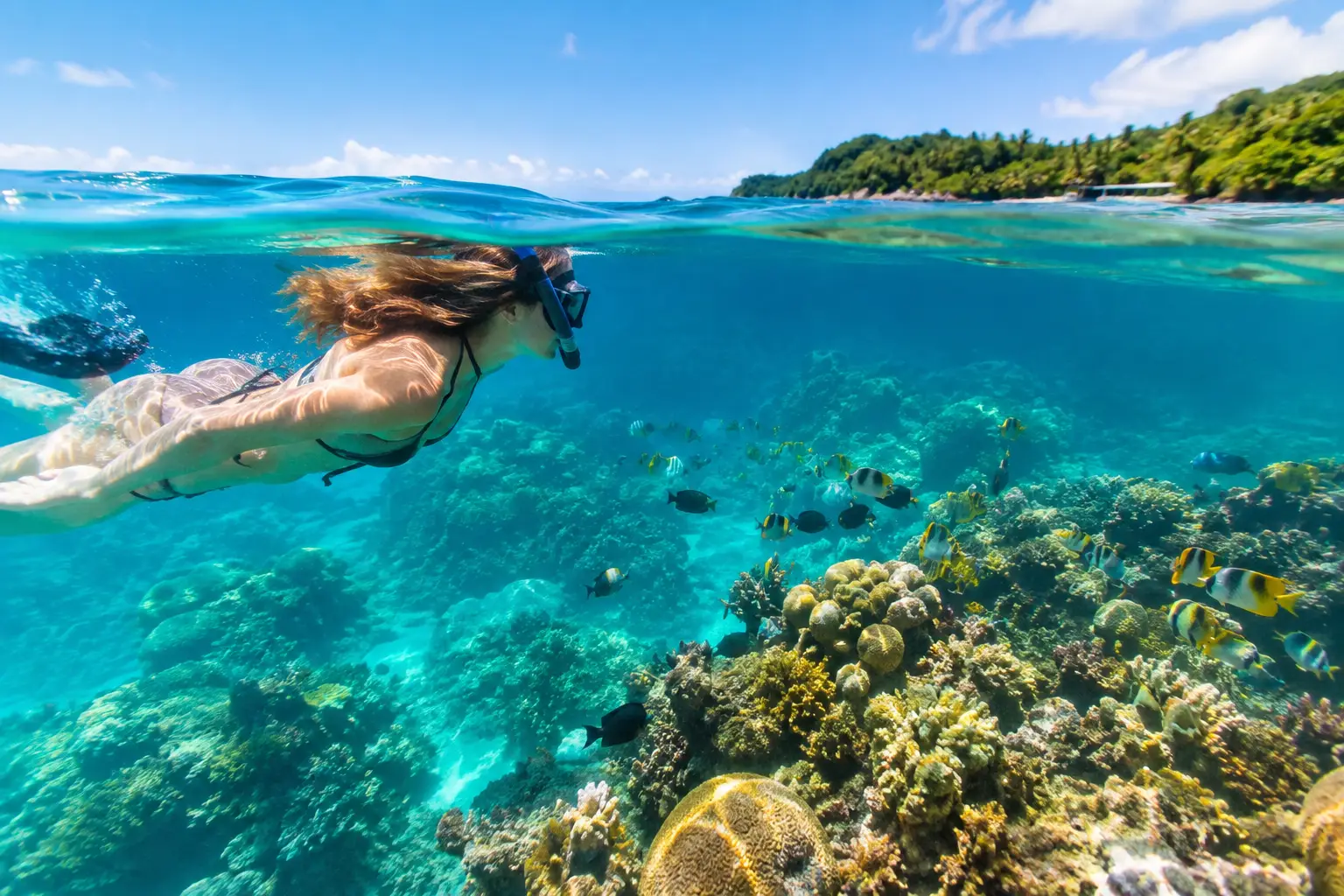
A boat trip opens up more possibilities. It can take you to less crowded coral formations, deeper blue water, and sites with a different mix of marine life. Depending on the route and the day, you may see schools of bright fish, sea fans, rays, turtles, and dramatic reef structure that is harder to reach from shore.
For many visitors, a small-group snorkeling charter is the sweet spot. You get guidance, equipment, a safer way to reach the reef, and a crew that knows where conditions are best. If you are building a bigger island itinerary, Wicked Adventures Roatan can help match your available time with snorkeling and other high-energy excursions instead of making you coordinate every detail separately.
Pick the Reef Experience That Matches Your Skill Level
You do not need to be an elite swimmer to enjoy Roatan’s reefs, but you should choose an outing honestly. Beginners should look for calm-water snorkeling, flotation support, patient guides, and a pace that does not feel rushed. A life vest or flotation belt is not a sign that you are inexperienced - it lets you relax, float comfortably, and spend more energy looking at the reef.
If you are a confident snorkeler, ask whether the tour visits multiple sites, includes a drift snorkel, or reaches a more offshore location. These trips can offer more variety, though they may involve deeper water, choppier boat rides, and less time standing in the shallows.
Certified divers have another level of access. Roatan sits beside the Mesoamerican Barrier Reef, and its dive sites range from easy reef slopes to walls and deeper formations. If you have not dived recently, choose a refresher or an easy guided dive instead of overestimating your comfort level on vacation. New divers can ask about discover scuba experiences, but remember that diving requires more preparation than slipping on a snorkel mask.
Families should confirm age requirements, equipment sizing, bathroom access, shade, and total travel time before booking. A shorter trip with a great guide can be much more fun than a long expedition that leaves kids cold, tired, or hungry.
Go Early When You Can
Morning is often a strong choice for visiting Roatan reefs. The water can be calmer, the sun is less intense, and you will have the rest of the day open for the beach, lunch, or another island adventure. For cruise passengers, an early outing also gives you useful buffer time before all-aboard.
That said, there is no universal perfect hour. Some locations are better in the afternoon based on wind direction and local conditions. The best approach is to book with a team that is watching the weather and understands the island’s different coastlines.
Avoid treating a weather adjustment as a ruined plan. If your captain recommends a different reef than the one you expected, it is usually because they are putting safety, visibility, and enjoyment first. The island is full of excellent water, and the best site is the one that is behaving well that day.
Respect the Reef Like Your Experience Depends on It
It does. Coral is alive, fragile, and already under pressure from warming water, storms, pollution, and careless contact. A single kick from a fin or a hand placed on coral for balance can cause damage that lasts far longer than your vacation.
Keep a comfortable distance from the reef and stay horizontal in the water. Never stand on coral, chase wildlife, feed fish, or collect shells and marine life. If you need to adjust your mask or catch your breath, signal your guide and float in clear water rather than grabbing the reef.
Choose a non-aerosol, reef-conscious sunscreen and apply it well before entering the water. Better yet, add a rash guard or lightweight swim shirt for reliable sun protection. You will reduce sunscreen runoff and avoid turning a spectacular day into a painful sunburn story.
Boat crews should use established moorings rather than dropping anchors on coral. As a guest, you can support responsible operators by asking how they manage their reef sites and following every briefing, even if you have snorkeled dozens of times before.
Pack for Comfort, Not Just Photos
A mask, snorkel, fins, and flotation gear are often included with guided outings, but it is worth asking what is provided. If you own a mask that fits your face perfectly, bringing it can make a big difference. A leaking mask is a small annoyance that can steal attention from an otherwise incredible reef.
Bring a towel, dry clothes, water, and a secure way to protect your phone. A reusable water bottle is especially helpful in the tropical heat. For boat trips, a light cover-up, hat, and sunglasses are useful between snorkel stops. If motion sickness is a concern, prepare before boarding rather than waiting until the ride gets rough.
Leave valuables behind whenever possible. Roatan reef days are for floating above coral and spotting fish, not worrying about jewelry, passports, or expensive electronics.
Build a Bigger Roatan Day Around the Water
A reef excursion can be the centerpiece of your day without being the only thing you do. Pair a morning snorkel with a beach break, island lunch, scenic drive, or a land adventure that gives everyone in your group a different kind of thrill. This works especially well for mixed groups where some travelers want nonstop water time and others want dry-land action, culture, or a relaxed view.
The key is not cramming in every activity you can find. Build around travel time, your ship schedule or resort location, and the energy level of your group. One brilliant reef experience plus one well-chosen add-on will feel far better than a frantic checklist.
When you finally slide into that warm blue water, slow down. Let the fish come back into view, keep your fins clear of the coral, and give the reef more than a quick glance. Roatan’s underwater world is at its best when you let it set the pace.