


The reef can be the first thing you see after stepping into the water in Roatan. No long boat ride required, no complicated expedition needed - just warm Caribbean water, bright fish, and coral formations waiting beyond the beach. So, is there good snorkeling in Roatan? Absolutely. For many travelers, it is one of the best reasons to visit the island.
Roatan sits beside the Mesoamerican Barrier Reef, the second-largest barrier reef system on the planet. That geography gives the island a serious advantage: colorful reef life is close to shore in several areas, while boat-access sites take you to deeper formations, dramatic walls, and quieter patches of coral. Whether you have never worn a mask before or you are the person packing fins before sunscreen, Roatan has a snorkeling day with your name on it.
Is There Good Snorkeling in Roatan for Every Traveler?
Yes, but the best spot depends on what kind of day you want. Roatan is not one single beach with one single reef. Conditions, crowd levels, entry points, and marine scenery vary around the island, which is great news if you choose with intention.
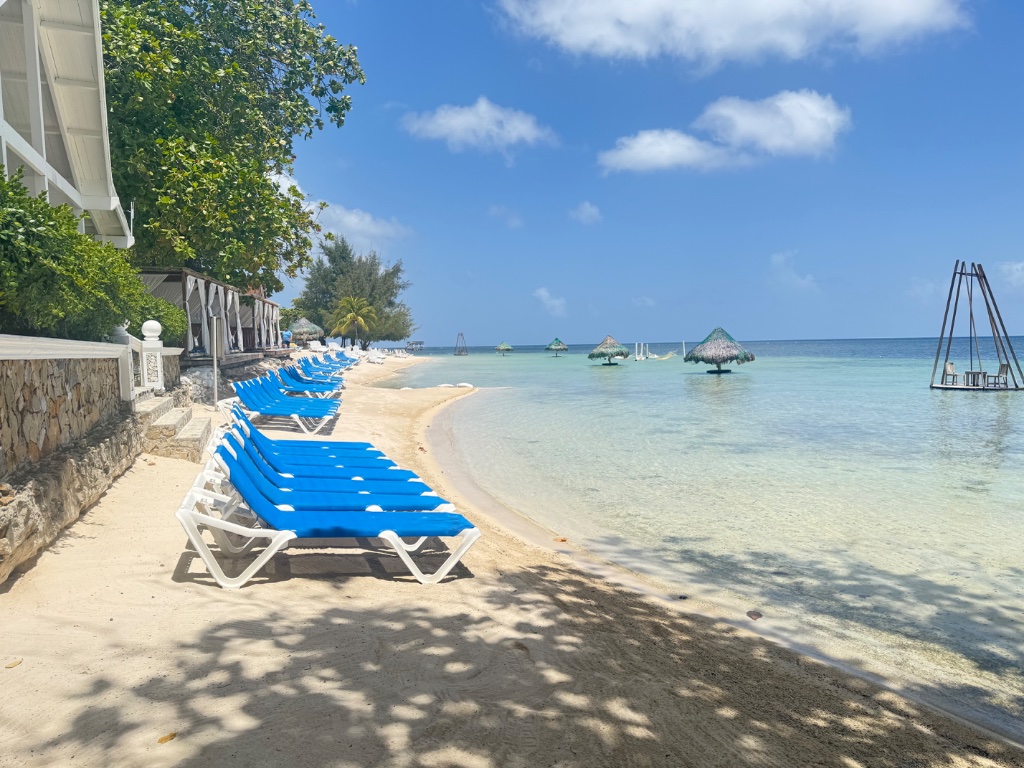
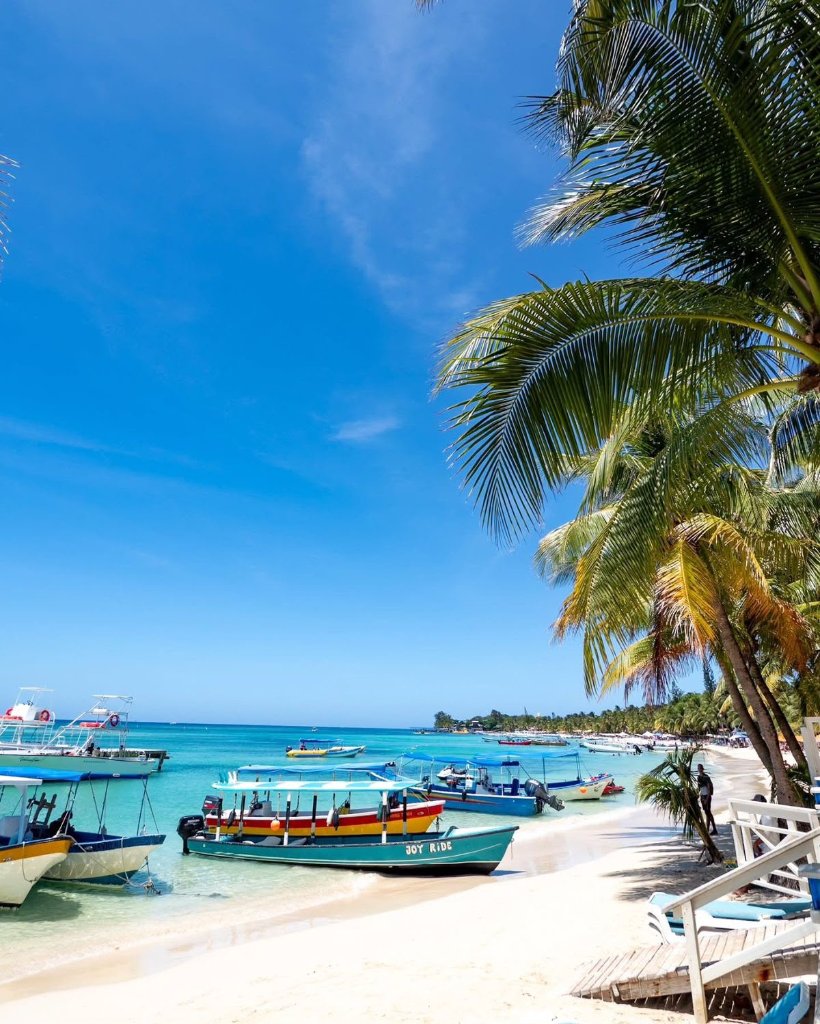
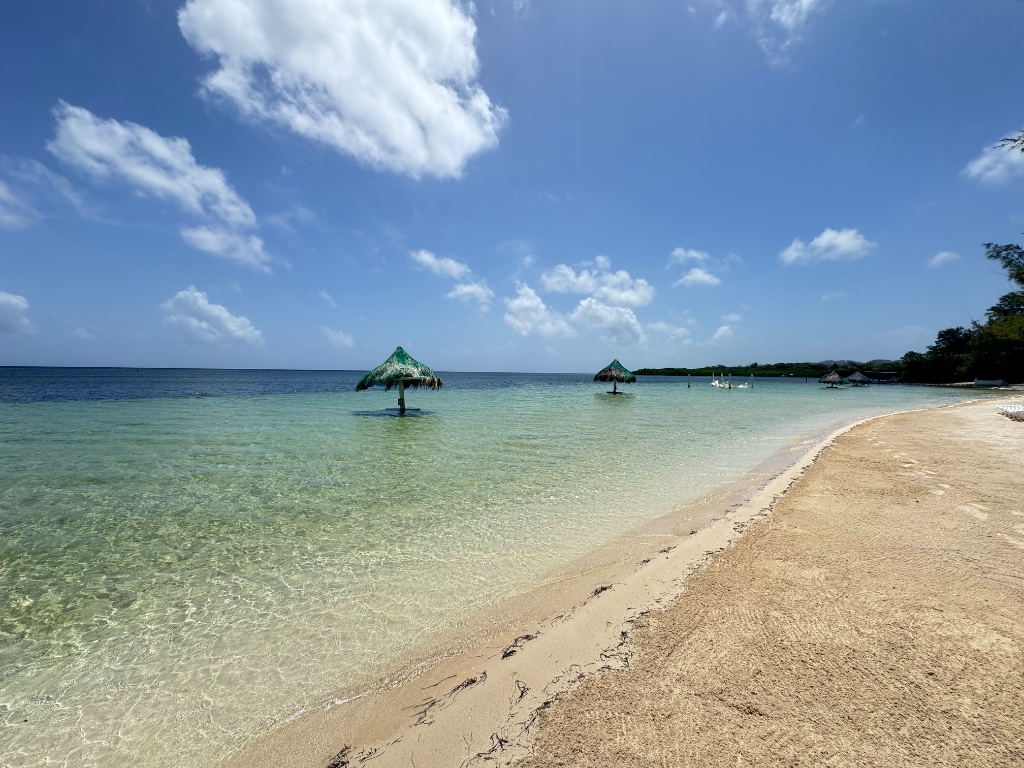
First-time snorkelers and families often do best in protected, shallow areas with a gentle beach entry. West Bay is famous for exactly that combination. The water is usually calm, the sand is soft, and the reef can be reached from shore. It is a high-energy beach, especially when cruise ships are in port, but it makes an easy first look at Roatan's underwater world.
Travelers who want a more laid-back village feel may prefer West End. The shoreline is more varied than West Bay, and some of the strongest snorkeling is reached by a short boat ride. It is a smart choice for visitors who want to pair their water time with island restaurants, local character, and a flexible afternoon.
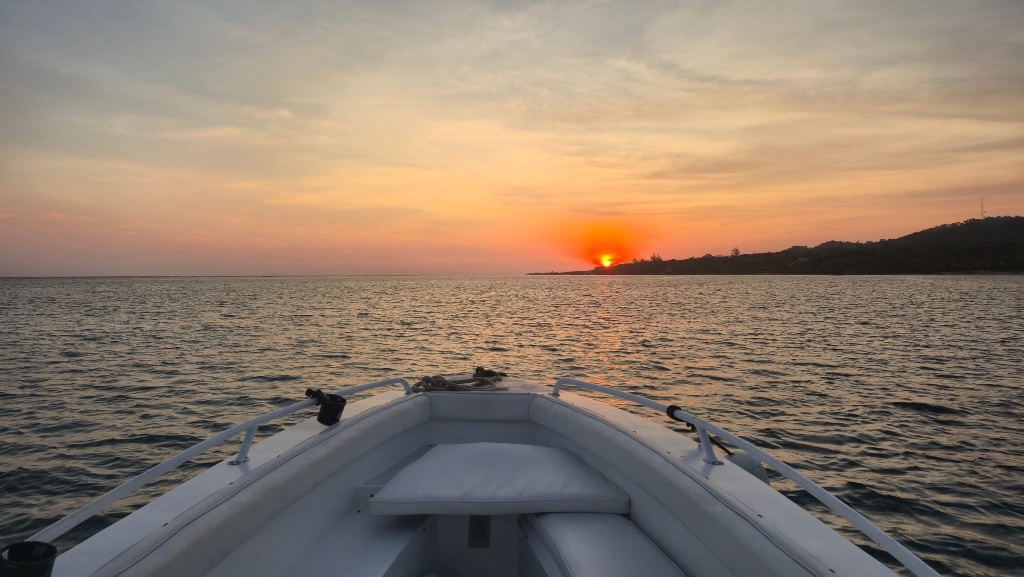
Then there are the boat trips. These are the move when you want to get beyond the busiest beach zones and spend more time over reef that fits the day's weather. A knowledgeable crew can select sites based on wind, currents, visibility, and your comfort level. That local decision-making matters more than a pretty photo when you are trying to have a truly great snorkel.
What You Can See Underwater
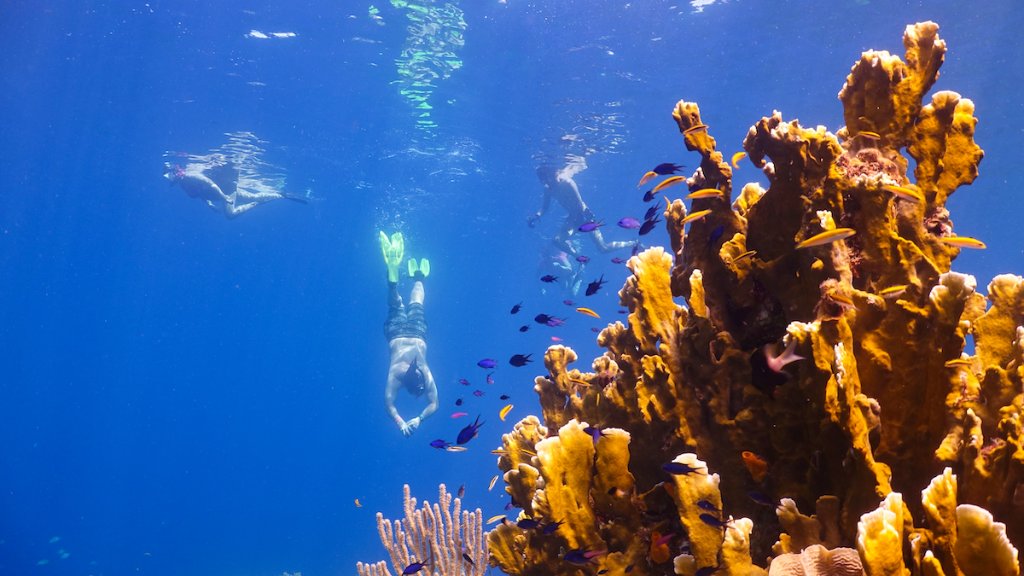
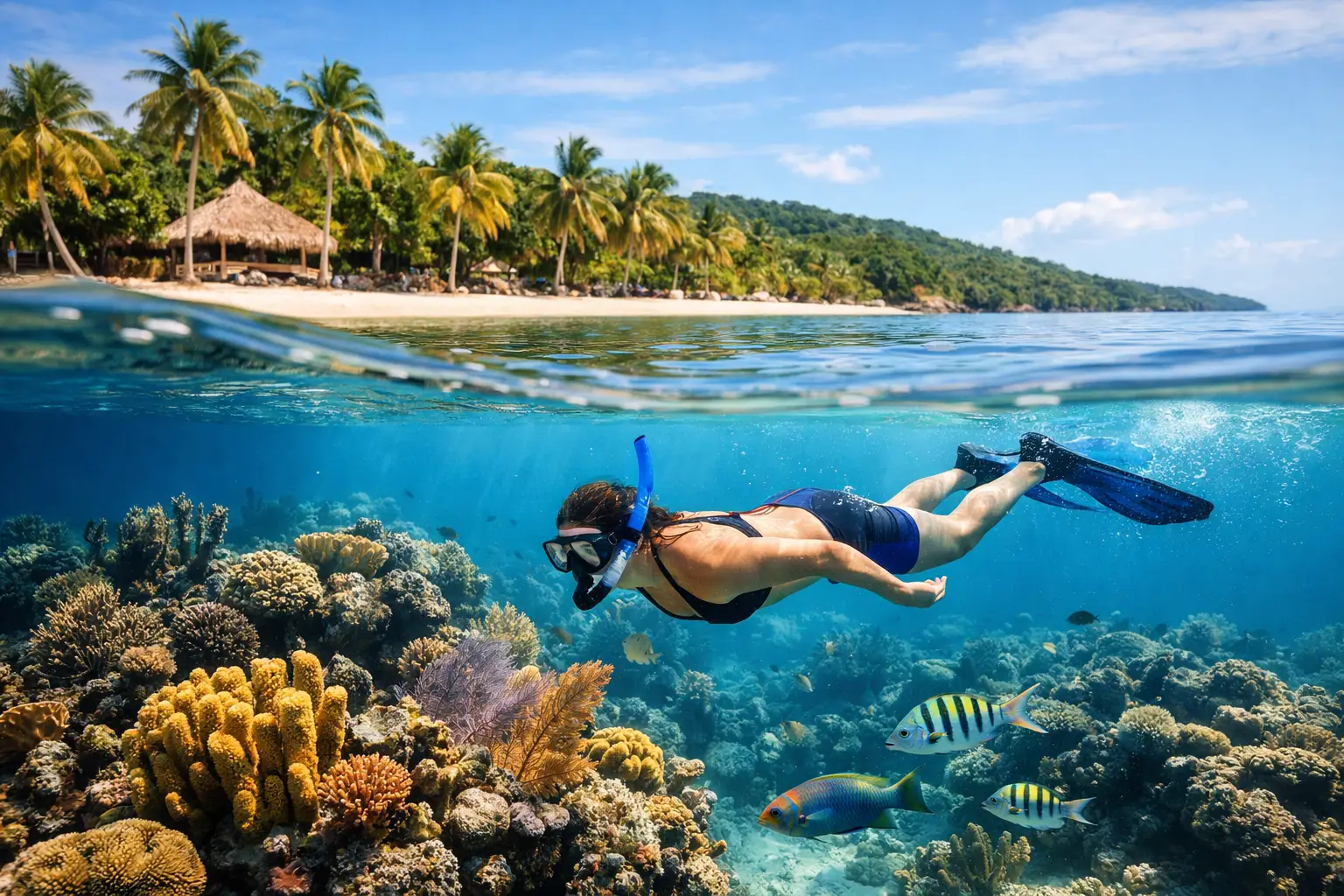
Roatan's reef is not just blue water and a few fish darting around your ankles. On a good day, expect schools of blue tang and grunts, striped sergeant majors, parrotfish nibbling at coral, angelfish, butterflyfish, and the occasional curious trumpetfish hanging vertically near the reef.
Look closely and the smaller stuff gets even better. Sea fans sway with the current. Brain coral creates massive textured mounds. Sea urchins tuck into crevices, while shrimp, crabs, and tiny reef fish turn coral heads into miniature cities. Keep an eye into the blue beyond the reef too. Depending on the site and conditions, snorkelers may spot rays, barracuda, turtles, or larger schooling fish.
Wildlife is never guaranteed, and that is part of the thrill. A guide who promises a specific animal is selling the wrong idea. What Roatan reliably delivers is rich reef habitat, excellent chances for colorful marine life, and enough variety that each site can feel different.
Shore Snorkeling vs. a Guided Boat Tour
Shore snorkeling wins on simplicity. You can move at your own pace, take a break whenever you want, and get in the water without dedicating your whole day to a boat schedule. For a beach day, a short cruise-port stop, or a family with younger kids, that convenience is hard to beat.
The trade-off is that popular shore-access areas can be busy. You may also need to swim over seagrass or sandy bottom before reaching healthier coral, and you are limited by the conditions right in front of that beach. A choppy day can turn an easy shore snorkel into a less comfortable one.
A guided boat snorkeling trip adds range. Captains can take you to sites that are difficult or impossible to reach from shore, and crews usually provide gear, flotation support, and a quick safety briefing. It is also the better choice for travelers who are unsure about reading currents, finding a safe entry point, or identifying the best part of a reef.
For confident swimmers, a boat trip can deliver more variety in one outing. For nervous swimmers, it can provide the reassurance of a guide nearby. The right trip is not necessarily the longest one. It is the one that matches your available time, your confidence in the water, and whether you want a relaxed float or a reef-focused adventure.
When Is the Best Time to Snorkel in Roatan?
Roatan offers snorkeling year-round, and water temperatures stay inviting for most US visitors. Morning is often the sweet spot. The sea is frequently calmer, the sun is climbing high enough to light up the reef, and you can be back on land before the heat and beach crowds build.
Weather still calls the shots. Wind can affect one side of the island more than another, and rain does not automatically mean the day is ruined. A quick shower may pass without changing underwater visibility much, while strong wind can create surface chop that makes snorkeling less enjoyable. This is another reason local guidance is worth having: a good operator can adjust the route rather than forcing a trip at the wrong site.
If you are arriving by cruise ship, book around your ship's actual all-aboard time, not just its advertised port hours. Leave a comfortable buffer for the drive back, changing clothes, and the occasional island traffic delay. Roatan is built for adventure, but nobody wants their snorkeling story to end with a sprint down the pier.
How to Make Your Snorkeling Day Better
A little preparation goes a long way. Use a mask that seals comfortably before you enter the water. If it leaks, say something immediately - struggling with bad equipment steals attention from the reef. If you are new to snorkeling, use a flotation vest or noodle. Floating comfortably lets you relax, breathe slowly, and enjoy what is below instead of fighting to stay on the surface.
Bring a rash guard or sun-protective swim shirt. The Caribbean sun is intense, and your back can burn quickly while you are floating face-down. Reef-safe sun protection is a thoughtful choice too, but let it absorb before getting into the water. A reusable water bottle, a dry bag for valuables, and a secure strap for prescription glasses are also handy additions.
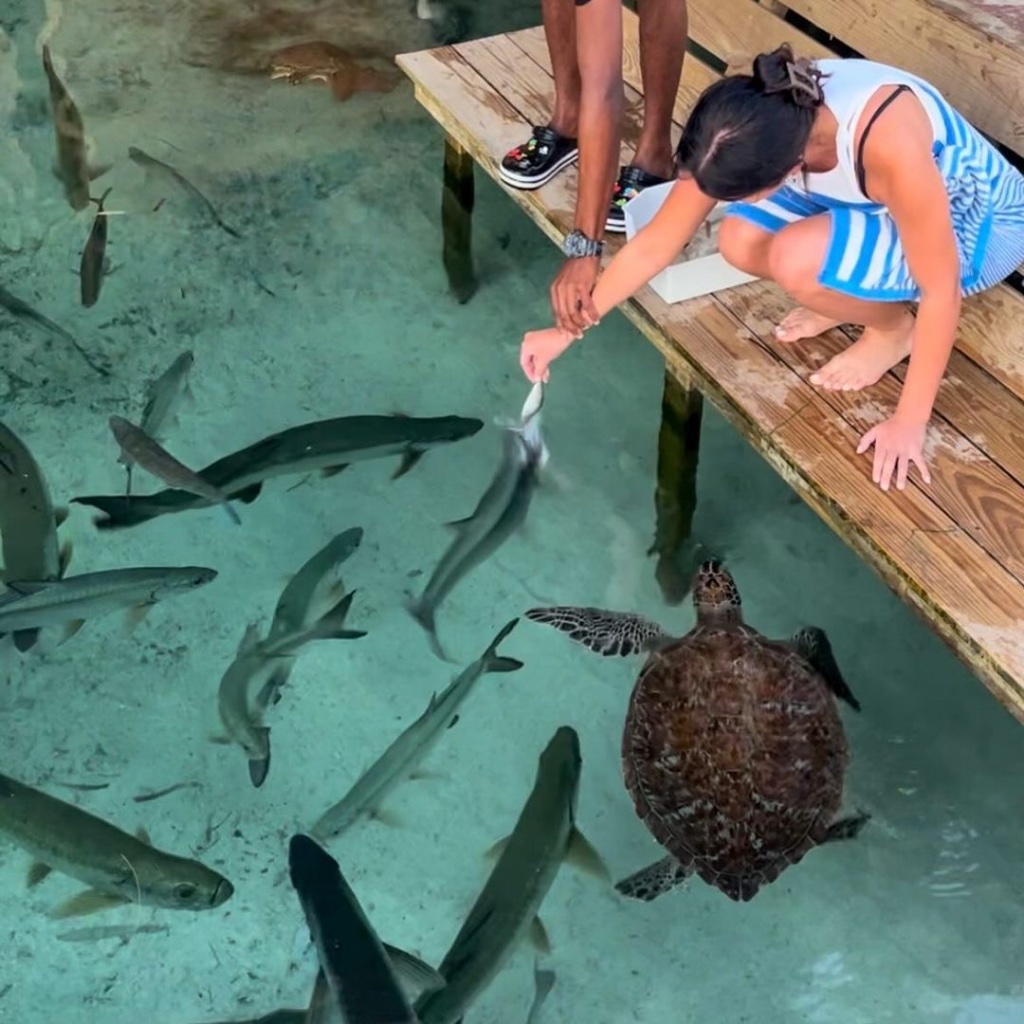
Most importantly, give the reef room. Do not stand on coral, grab sea fans, chase turtles, or feed fish. Coral can look like a rock from above, but it is living habitat and easily damaged. The best snorkelers leave with photos and memories, not souvenirs from the sea.
Choosing the Right Roatan Snorkeling Experience
The fastest way to narrow your options is to decide what matters most. Want minimal travel and an easy beach entry? Look for a shore-based experience. Want fewer crowds and multiple reef stops? Choose a boat trip. Traveling with kids, non-swimmers, or mixed confidence levels? Prioritize patient guides, flotation options, and a clear plan for anyone who wants to stay on the boat or beach.
Groups can make a great day of it by pairing snorkeling with another island experience, such as a beach break, sightseeing, or a land adventure. That is where a broader excursion selection helps. Wicked Adventures Roatan can make it easier to compare options and build an itinerary that does not force everyone into the exact same kind of fun.
Do not choose solely by the lowest price or the flashiest underwater photo. Read the experience details, understand how long you will actually be in the water, ask whether equipment is included, and be honest about your swimming ability. A well-matched tour feels effortless. A mismatched one can make even a beautiful reef feel rushed.
Roatan rewards travelers who look past the shoreline, slip on a mask, and give the island's underwater side a chance. Pick the experience that fits your day, listen to your guide, and keep your eyes open - the next flash of color could be the memory you talk about long after the tan fades.

