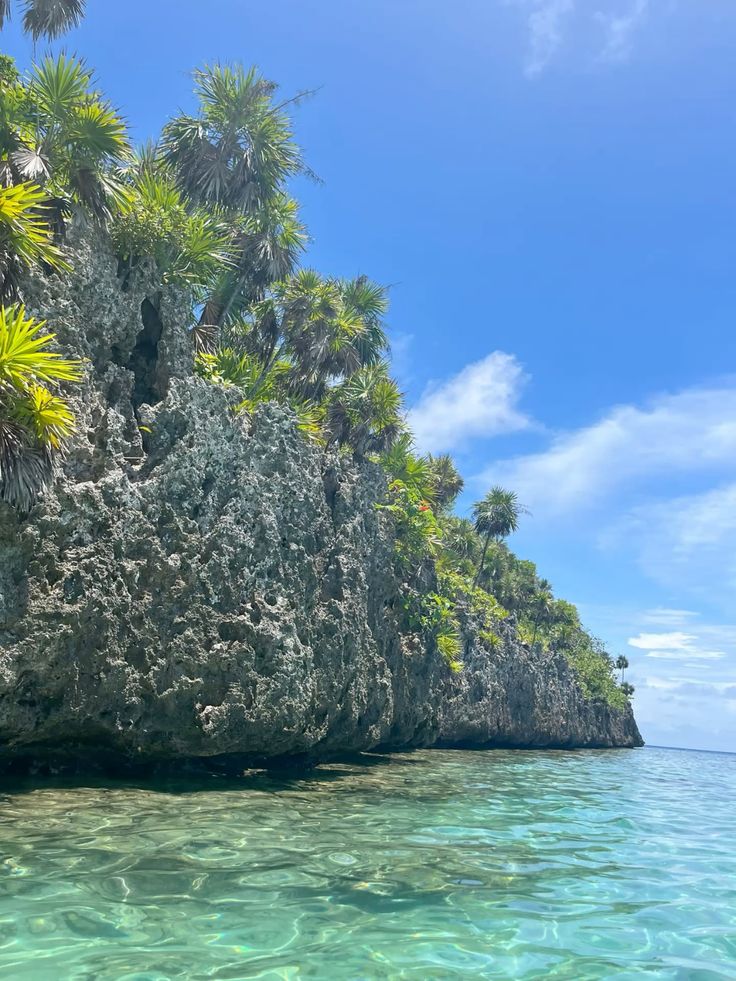



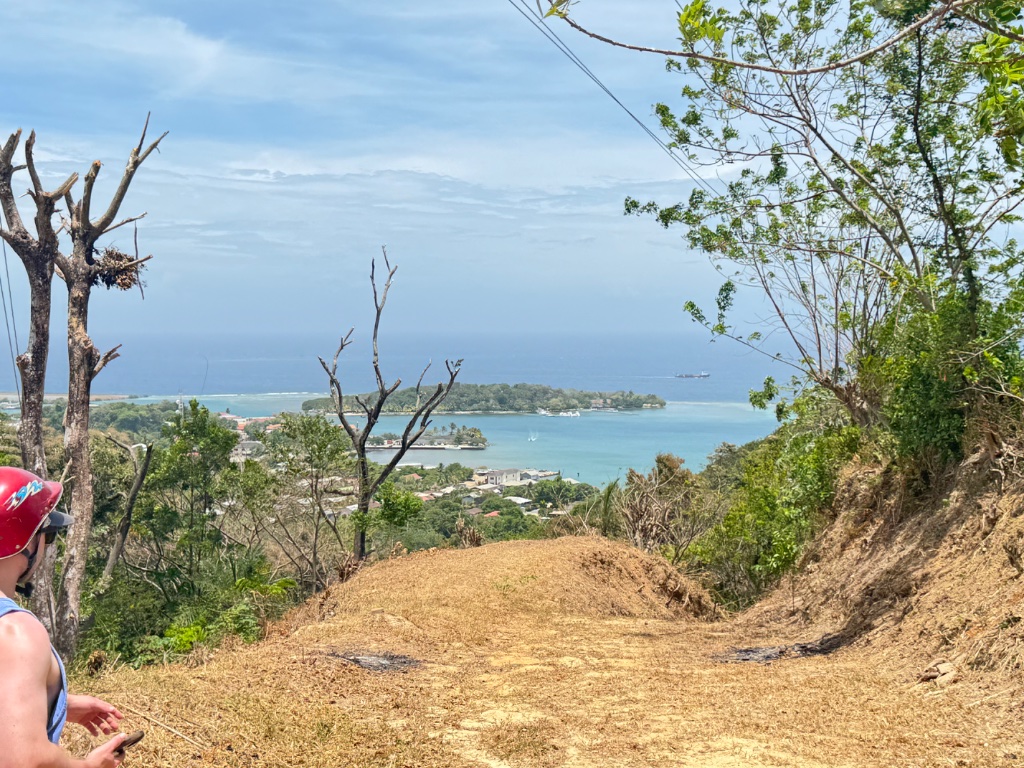
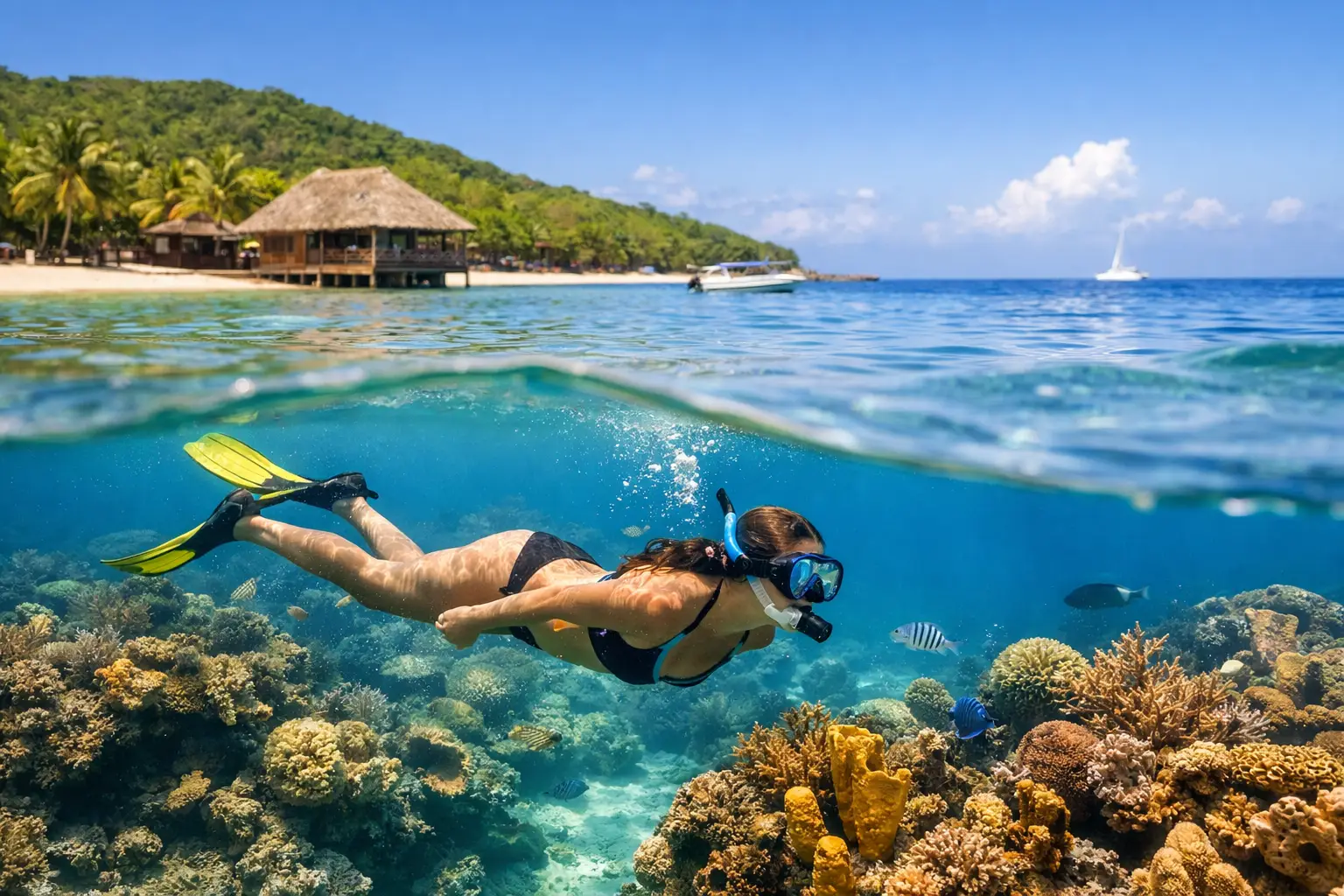
The first time you slip into the water off Roatan, the island can feel almost unfairly generous. Bright fish move through coral gardens close to shore, warm Caribbean water makes long swims easy, and a great reef can be minutes from the beach or boat dock. That is the appeal of Roatan snorkeling: you do not need to be a certified diver or an all-day athlete to have a seriously memorable underwater adventure.
The smart move is choosing an experience that fits your time, confidence, and travel crew. A cruise-port day calls for a different plan than a full vacation afternoon. Young kids need different conditions than confident ocean swimmers. Roatan has options for all of it, but the best day starts with knowing what kind of snorkeling day you actually want.
Why Roatan Snorkeling Stands Out
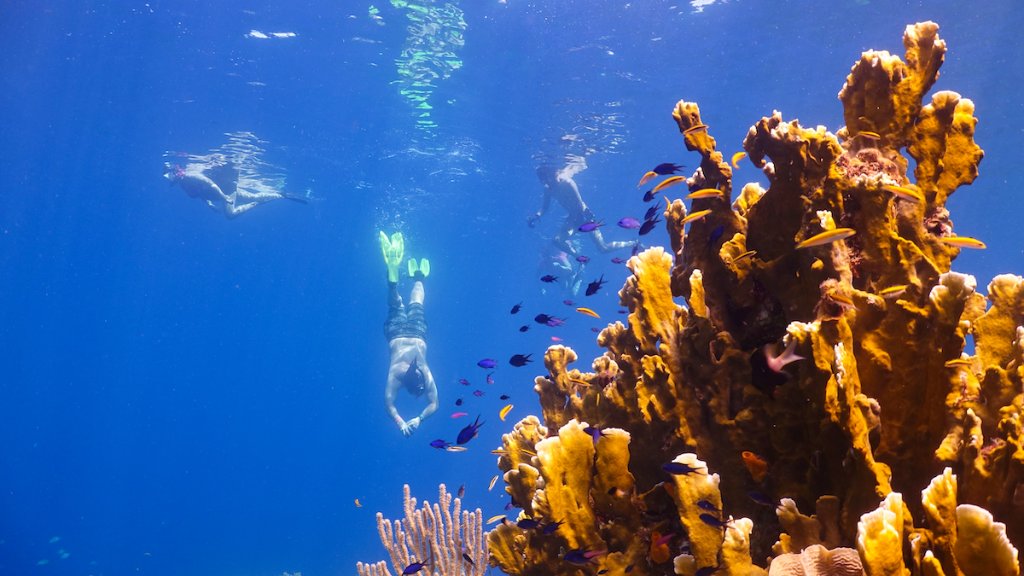
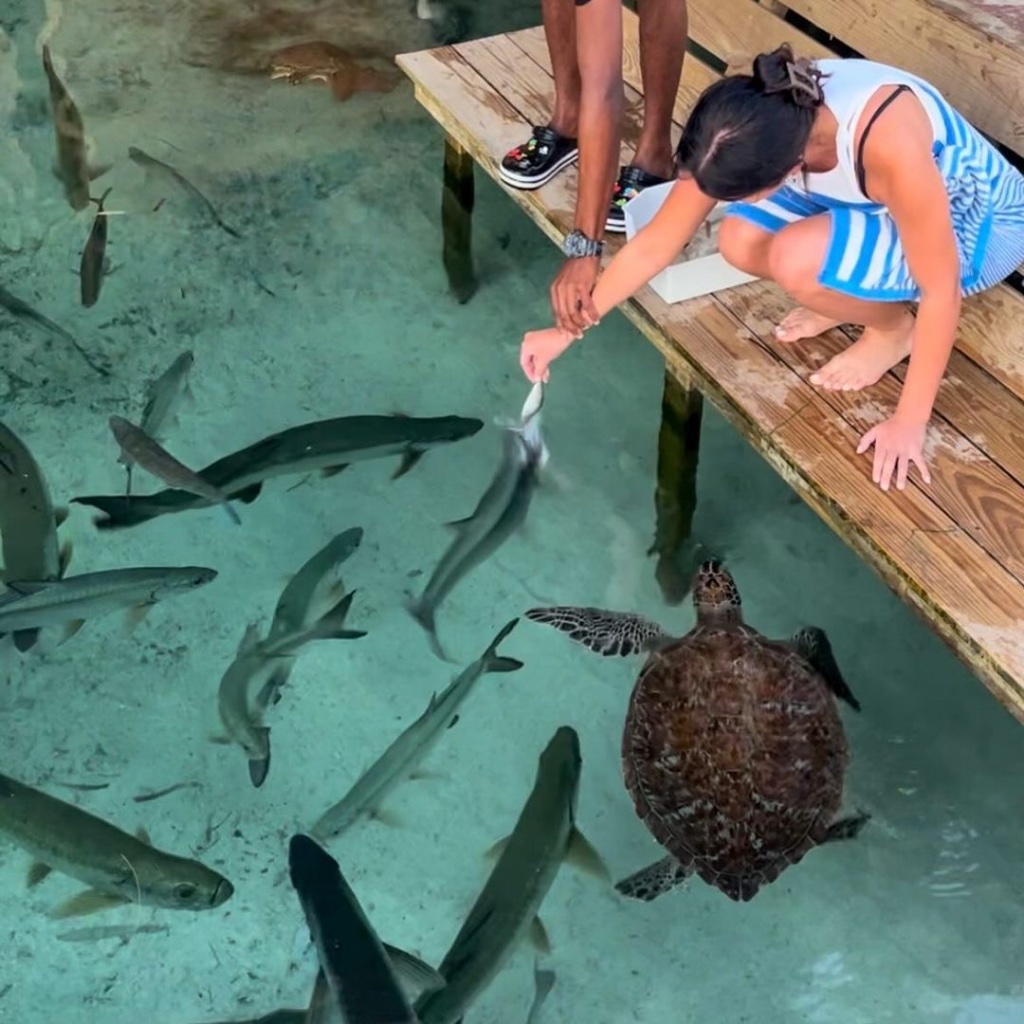
Roatan sits alongside the Mesoamerican Reef, a massive coral reef system that supports an incredible variety of marine life. The island’s reef structure, protected bays, and clear-water conditions put color and wildlife within reach of casual snorkelers. On a good day, you may spot blue tangs, parrotfish, French angelfish, sergeant majors, trumpetfish, sea fans, sea turtles, rays, and schools of silver fish flashing across the reef.
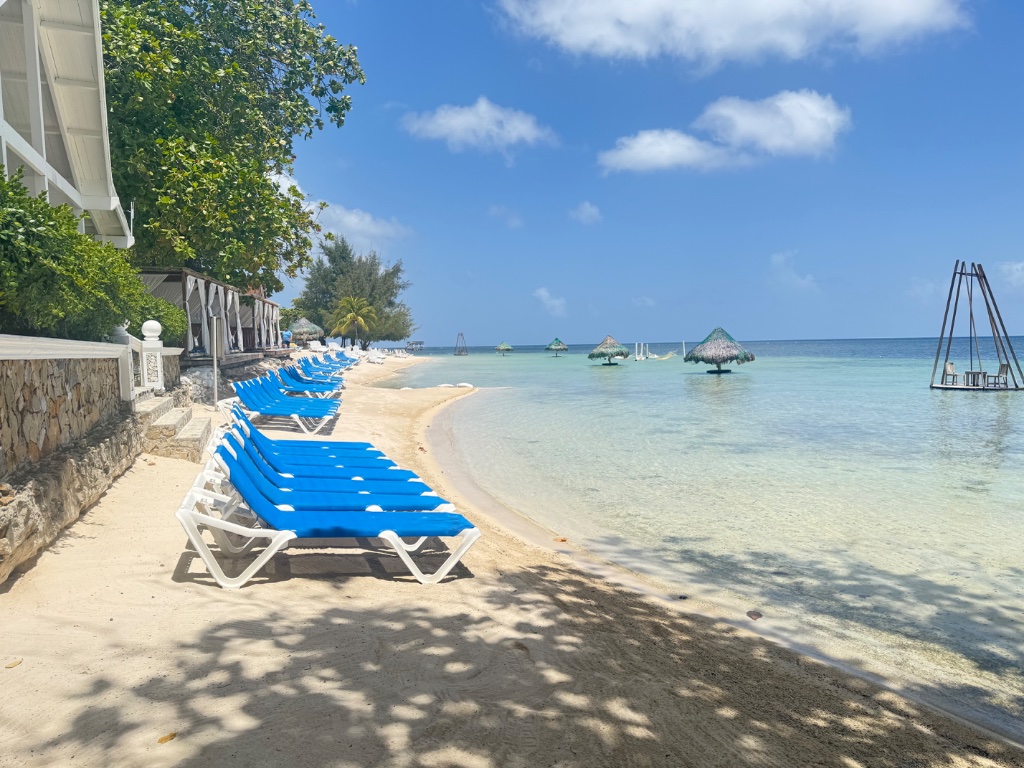
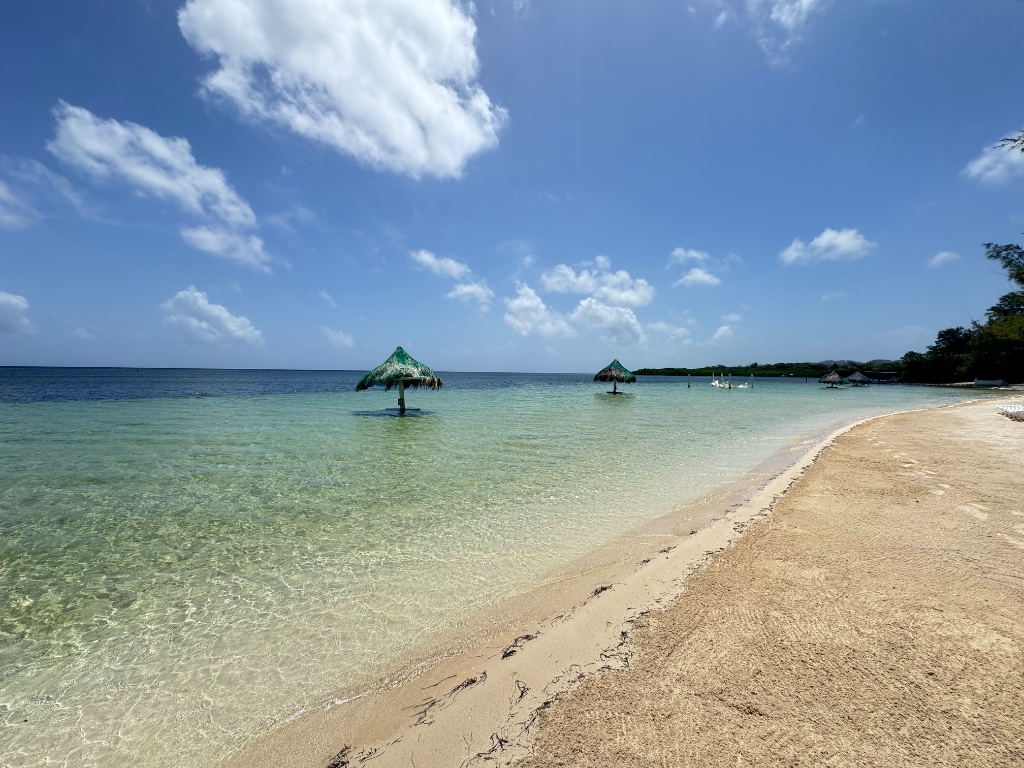
What makes the island especially fun is the range of settings. Some beaches offer easy shore entry, where you can wade in and start exploring near the sand. Boat trips can take you to quieter reef sections, deeper coral formations, and places where fewer swimmers are in the water. Neither is automatically better. Shore snorkeling is convenient and ideal when you want flexibility; a guided boat trip can deliver more variety and help you spend less time figuring out where to go.
Visibility changes with weather, wind, recent rain, and currents, so no responsible operator should promise a perfectly identical reef day every time. Still, Roatan’s usual conditions and access to reef sites give travelers an excellent shot at the kind of vivid Caribbean snorkeling they came for.
Choose the Right Roatan Snorkeling Experience
Start with your available time. Cruise visitors should look for an excursion built around ship schedules, including enough buffer to return to port comfortably. A shorter trip with transportation and gear handled for you can beat trying to chase a far-flung beach on your own. You want time in the water, not a frantic last-hour ride back to the terminal.
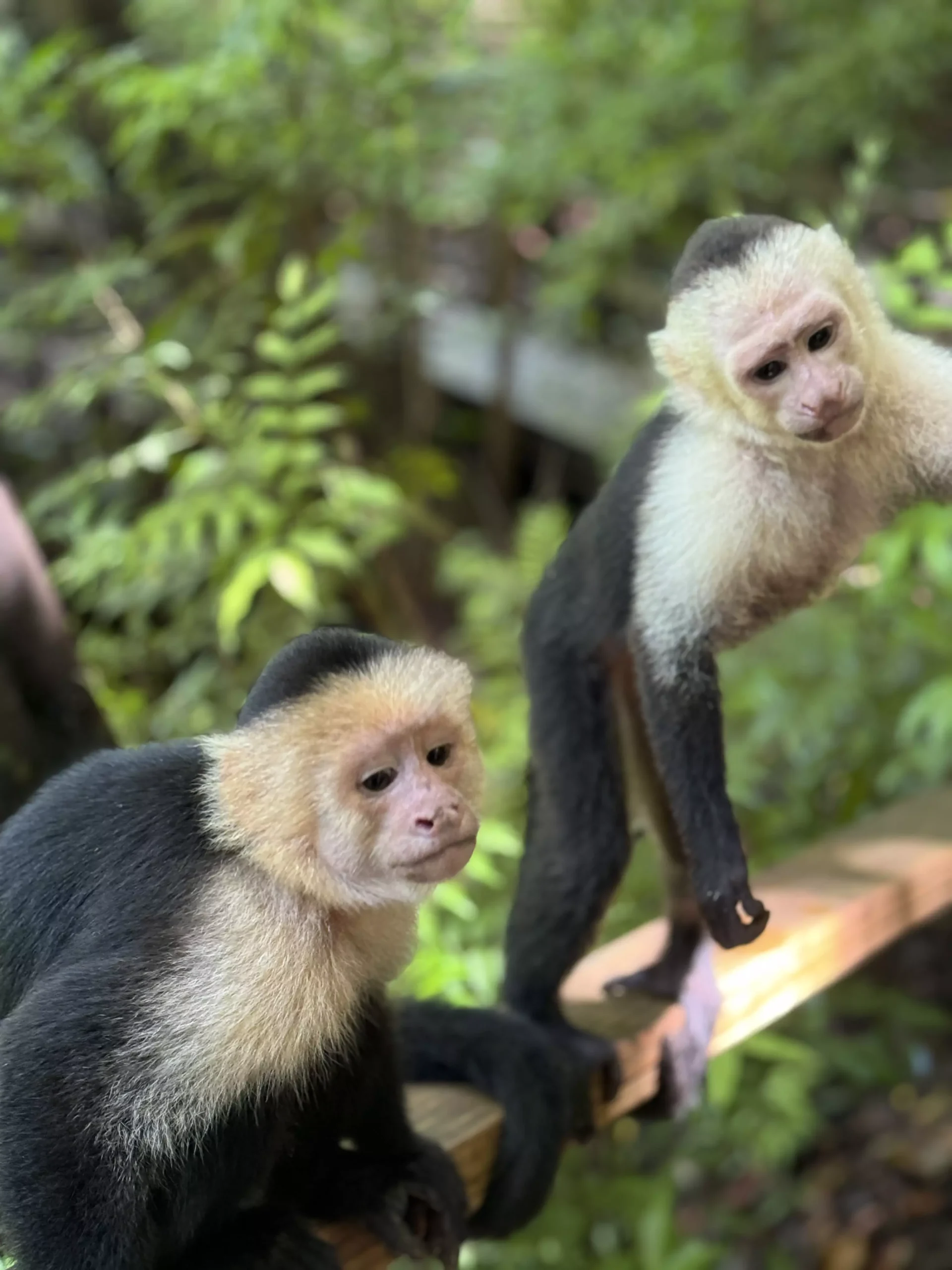
Vacationers have more room to play. A dedicated snorkel boat tour is a strong choice if the reef is the main event. Many guests also pair snorkeling with beach time, an island sightseeing stop, a wildlife encounter, or a laid-back lunch. That combination works especially well for groups where not everyone wants to spend the entire day floating over coral.
Your comfort level matters, too. First-timers and families often enjoy calm, shallow areas where they can stand when needed and stay near a guide. More experienced snorkelers may prefer a boat-based outing with multiple stops, more open water, or a longer time over the reef. Be honest when booking about anyone in your group who is nervous in the water, cannot swim confidently, or has mobility concerns. The right tour can make those factors manageable. The wrong one can turn an exciting plan into a stressful day.
Shore snorkeling or boat snorkeling?
Shore snorkeling wins on simplicity. You can move at your own pace, take breaks whenever you want, and keep the day relaxed. It is a great fit for travelers staying near a suitable beach and for families who want an easy first look at the reef. The trade-off is that entry conditions can vary, and the most interesting coral may be farther from shore than some guests expect.
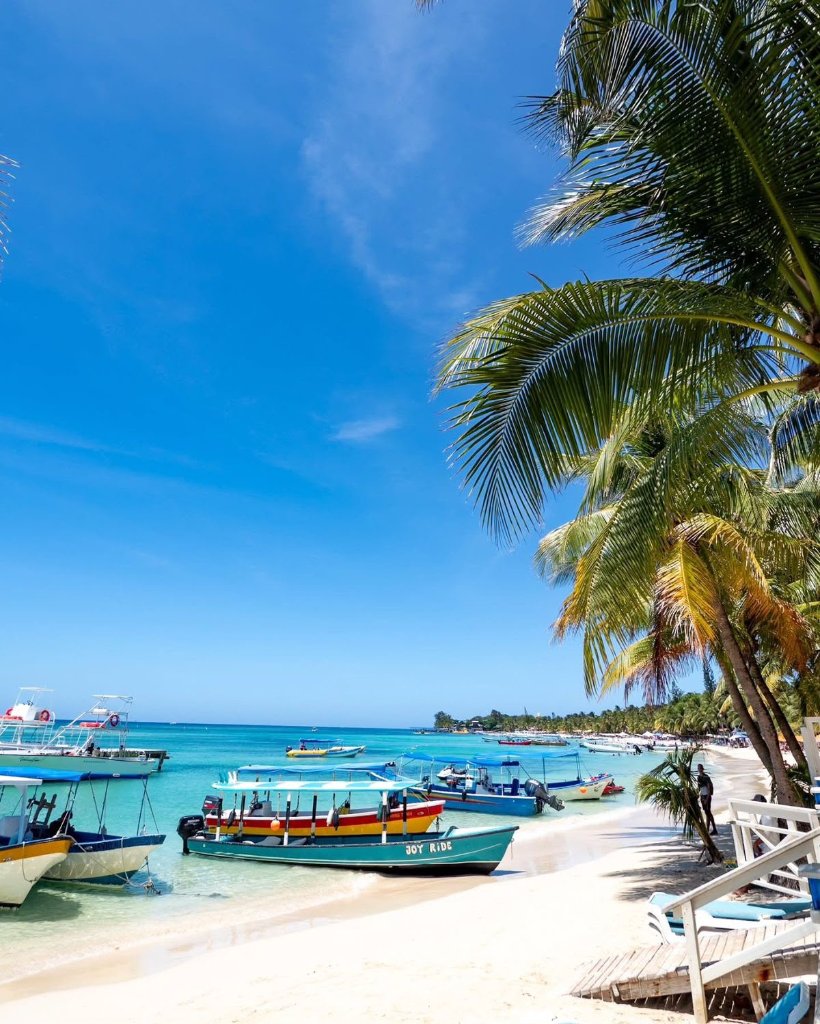
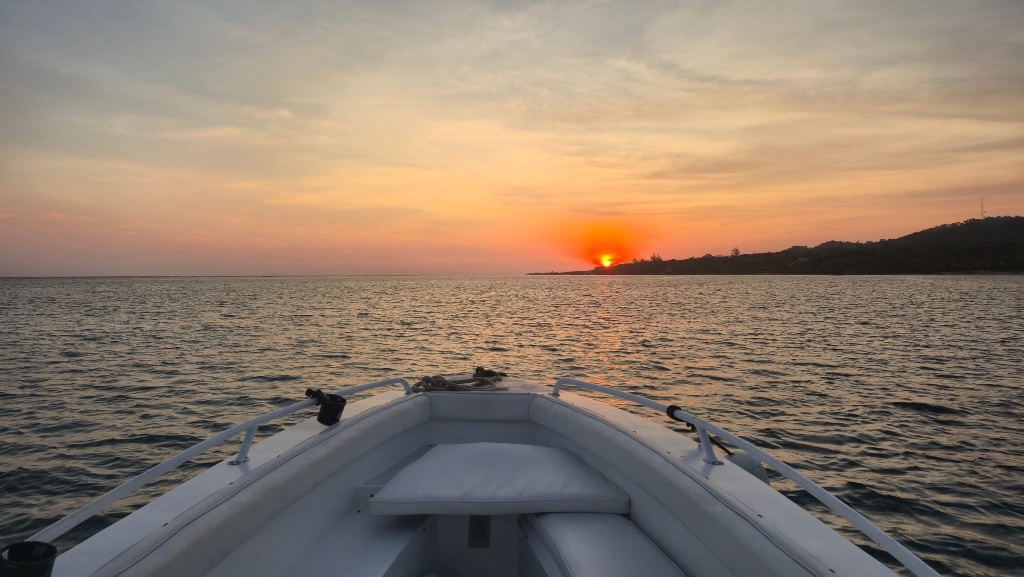
Boat snorkeling adds access. Guides know which sites are working best that day and can bring you to reef areas that are not practical to reach from the beach. It often feels more like a true island excursion, especially when the trip includes several locations. The trade-off is less flexibility: departure times, weather calls, and boat movement are part of the experience.
What You Will See Beneath the Surface
Forget the idea that snorkeling is just looking down at a few fish near a dock. Roatan’s reefs can feel like busy underwater neighborhoods. You may hover above branching coral while tiny fish dart in and out of cover, then turn toward a sandy patch where a ray glides by. Near the reef edge, larger fish and bigger schools often pass through with much more drama than you would expect from the surface.
The best viewing happens when you slow down. Many people swim too quickly, scanning for a turtle or other headline-worthy sighting and missing the constant action around them. Float calmly, keep your kicks small, and watch one section of reef for a minute. The details start to appear: a crab tucked into coral, a spotted juvenile fish, or a parrotfish grazing with a sound you can sometimes hear underwater.
Wildlife is never guaranteed, and that is part of what keeps the ocean wild. A guide can bring you to strong habitat, but they cannot schedule a turtle appearance. Go in hoping for a rich reef experience rather than checking off a single animal, and you are far more likely to leave thrilled.
Gear and Preparation That Make the Day Better
A quality mask is the difference between admiring the reef and constantly clearing water from your eyes. If gear is included, take a minute before departure to test the mask seal. Place it gently against your face without using the strap and inhale lightly through your nose. If it stays in place, the fit is likely good. Do not accept a leaky mask just because you are eager to get in the water.
Fins help you move efficiently, but they should not pinch or rub. A rash guard is a smart addition for sun protection and extra comfort, especially if you plan to spend a long time in the water. Reef-safe sun protection is also worth using, but apply it well before swimming and rely on UPF clothing whenever possible.
Bring a towel, dry clothes, a reusable water bottle, and a waterproof option for any phone or camera you truly want to take along. Leave valuables behind when you can. If you wear glasses, consider prescription snorkel masks or contact lenses if they are comfortable for you. And if you are prone to motion sickness, plan ahead before a boat trip rather than hoping the ride will be calm.
Snorkel With Respect for the Reef
The reef looks tough, but coral is living and fragile. Never stand on it, grab it, or rest a hand on it for balance. Keep your fins up and your body horizontal, especially in shallow areas where one careless kick can do real damage.
Give marine life room. Do not chase turtles, touch fish, feed wildlife, or crowd an animal for a photo. The best photos usually come when you pause, stay calm, and let the reef carry on around you. Your guide’s rules are there for your safety and for the health of the places travelers come to see.
This is also why guided outings can be a great choice for new snorkelers. A good guide does more than point out fish. They help guests navigate currents, choose safe entry points, understand reef etiquette, and relax into the experience.
Make Your Island Day Count
Roatan rewards travelers who plan around what they value instead of trying to cram every activity into one rushed day. If snorkeling is your can’t-miss experience, reserve enough time to enjoy it without watching the clock. If your group wants variety, build the day around a reef stop and add one or two complementary island adventures.
Wicked Adventures Roatan makes that easier by bringing a wide range of island excursions into one place, so you can compare options and shape a day that feels like your trip, not a generic package. Whether you are stepping off a cruise ship with a few precious hours or settling into a week of Caribbean sunshine, choose the water time that gives you room to look around, breathe easy, and let Roatan show off.

